بِسْمِ اللهِ الرَّحْمنِ الرَّحِيمِ

﴿وتلك الأمثال نضربها للناس وما يعقلها إلا العالمون﴾

Join Us

You can join us , and receive our messages & updates on our facebook group

Dr. Ahmed Ramzy's students

http://www.facebook.com/home.php?#/group.php?gid=37870247173&ref=ts

‏إظهار الرسائل ذات التسميات Tropical Medicine. إظهار كافة الرسائل

حادثة تشرنوبل البيلوجي....!

حادثة تشرنوبل البيلوجي....!
كالعادة للاسف لا استطيع فصل السياسه عما اتحدث فيه
داء اسال الله الشفاء منه
والحكاية ببساطه 
حكاية فضيحة تورط فيها زعيم سياسي كبير....هناك ...في روسيا
بوريس يلتسن....كان لا زال ايامها رئيسا محليا للحزب الشيوعي في البلد الذي تدور فيه احداث الحكاية
الحكاية التي دارت احداثها في مارس 1979 
في بلدة صغيرة اسمها "سفردلوفسك" شرق موسكو في الاتحاد السوفيتي القديم
القصه دارت احداثها ببساطه في احد مصانع الاسلحة البيلوجية
حصل خطأ من عامل الصيانة....داخل المصنع...العامل قام بازلة فلتر تنقية الهواء...عن المعمل المعد لانتاج جرثومة الجمرة الخبيثة
ولأن عامل الصيانه لم يسجل الخطوة التي قام بها...ونسي اعادة وضع الفلتر مرة اخري
حضر المسئول عن وردية العمل في اليوم التالي
وقام بتشغيل مراوح التهوية بعد مراجعة الملفات وعدم وجود شئ جديد مسجل
وكانت الكارثه
في خلال اسبوع واحد....توفي اكثر من 105 عامل حملت الريح الجرثومة اليهم ....طبعا اختفت كل الملفات والاوراق التي تشير الي هؤلاء المصابين....وغيرهم من المجهولين
وطبعا...بورس يلتسن...ترقي في المناصب المختلفة داخل الحزب....الي ان اصبح رئيسا للبلاد
وطبعا لم يعرف بالحادث احد في اواخر الثمانينات والتسعينات بعد تهاوي الدب الروسي العجوز
وطبعا كلكم عارفين الجمرة الخبيثة.....!
دي لينك فيها حكاية الحادث اللي سموه في التاريخ "تشرنوبل البيلوجي"
ومستني اللي عارف عن الجمرة الخبيثه ...يبعت بعرفنا كلنا

Top 10 Infectious Diseases That Have Killed Millions of People

Top 10 Infectious Diseases That Have Killed Millions of People
"From bubonic plague to HIV"
By Stefan Anitei, Science Editor
13th of November 2007
From:

Summary of the Topic:

Top 10 Infectious Diseases That Have Killed Millions of People - From bubonic plague to HIV
1.Black Plague:
* 25 to 50 % of the inhabitants of Europe, North Africa and certain Asian areas died.
* 20 to 30 million Europeans In the 14th century.
* 58 Million in China Only during the 14th century.
* 10 million in India Only in the 19th century.

"Bubonic plague"

 
2. Smallpox:
* killed more humans that all the wars of the 20th century together.
* Since 1914 to 1977 smallpox killed 300 to 500 million people.
* Last case was found in Somalia, in 1977.
 "Small pox"

3. Leishmaniosis:
* Infects 2 million people annually.
* About 12 million diseased are found worldwide, "mostly adult men".
  "Leishmaniosis"
4. Malaria:
* Found in 500 million people !!!
* Annually, 1.5 million people die of malaria.
* A child every 30 seconds.
* About 120 million people died of malaria since 1914.
 " Life cycle of Malaria"

5. Gonorrhea and syphilis:
* STD caused by (Neisseria and Treponema pallidum).
* 62 million people worldwide are affected.
 
"Chancer"
6. Pneumonia:
* Affects 1 % of the planet's population.
* The main cause of mortality in the world: it kills 3.5 million people each year.
* It attacks mainlly patients with severe immunodepression, older than 75, asthmatics, smokers, alcoholics, children under 2 years of age.
"Pneumonia"
 
7. Sleeping disease:
* Triggered by the Tripanosoma gambiense and T. rhodesiense
* Protozoans spread by the tse-tse fly (Glossina).
* It affects 60 million people, but only 4 million receive treatment.
* It kills 150,000 people yearly.
"Sleeping disease"


8. Tuberculosis:
* 2 million people die annually of tuberculosis.
* About 150 million people are estimated to have died of TBC since 1914.
* It infects one third of the world population.
* Each year another new 8 million cases appear.
* Each second a person dies of tuberculosis.
* 3-5 % of the new cases are coinfected with HIV.


9. AIDS:
* Estimated to be found in 46-60 million people.
* It has killed 25 million people since 1981.
* About 3.3 million people with HIV die annually.
* 68 million people could die between 2000-2020.
* Africa has lost 20 % of its labor power.


"Indian AIDS patient"
10.Spanish flu:
* Hit the world in 1918-1919.
* killed over 30 million persons.


11. Typhus outbreaks:
* Outbrake during the First World War in the eastern Europe.
* Since 1914, over 20 million people died of typhus.


Tropical Medicine


Study, diagnosis, treatment, and prevention of certain diseases prevalent in the tropics.

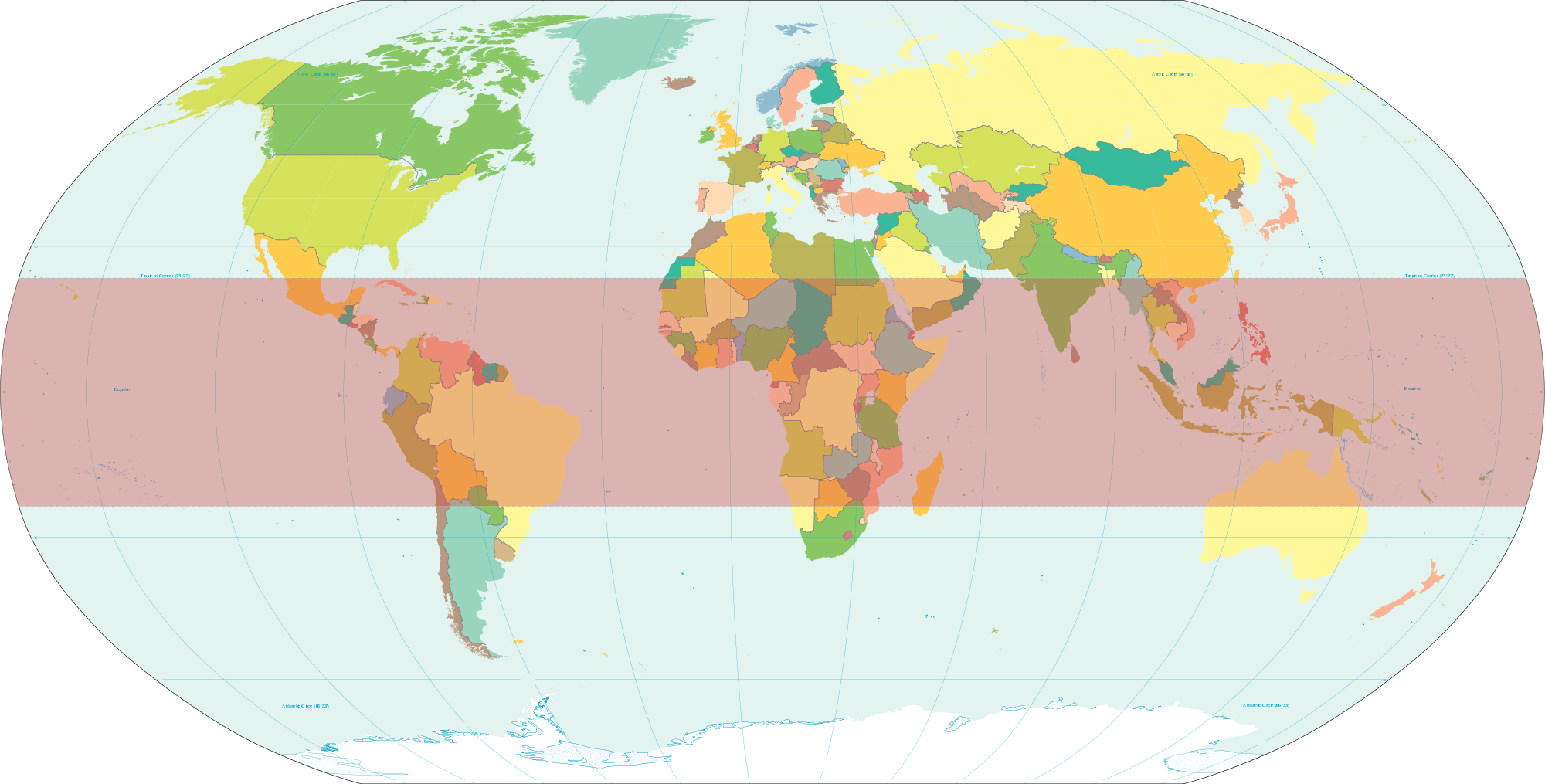
The tropics is a region of the Earth by the Equator. It is limited in latitude by the Tropic of Cancer in the northern hemisphere at approximately 23°26' (23.5°) N and the Tropic of Capricorn in the southern hemisphere at 23°26' (23.5°) S. The tropics are also referred to as the tropical zone and the torrid zone.
The tropics include all the areas on the Earth where the Sun reaches a point directly overhead and a point directly underneath at least once during the solar year. Outside the tropics, the Sun never reaches a point directly overhead or a point directly underneath at any time during the year.


The warmth and humidity of the tropics and the often unsanitary conditions under which so many people in those areas live contribute to the development and dissemination of many infectious diseases and parasitic infestations.
Much has been achieved in combating such typical tropical diseases as yellow fever, amebic dysentery, and filariasis (elephantiasis). Better public health measures and therapeutic agents have assisted in the fight.
The World Health Organization and philanthropic foundations have worked with local and international efforts to bring about medical advances.
The deployment of American troops in malaria-infested regions spurred the search for more efficient synthetic antimalarial drugs. DDT, introduced in World War II to eradicate the malaria-carrying mosquito, has been found to have lingering toxic effects in the environment, and the persistent use of DDT in China for rice pests has produced DDT-resistant mosquitoes that now carry malaria.
Resistance of the malarial parasite to chloroquine and Fansidar, the most widely used drugs for the protection of travelers in the tropics, has made both drugs virtually useless in most of Asia, Africa, and South America. A new drug, mefloquine, is effective in some areas but has many serious side effects. Current research is directed at making a vaccine against malaria.
There have also been advances against hookworm, leprosy, and other tropical maladies. The emergence in central Africa of the Ebola virus, which exists in an as yet unknown host and is fatal to 50—90% of those infected, has been especially challenging to medical personnel in underequipped hospitals where outbreaks have occurred.